For a practical comparison, most users often look at 1 deposit casino, provided they check the licence carefully. Welcome offers catch the eye, yet their true worth rests on the wagering terms, which repay a calm read. Payment options need to be secure, and the payout time is usually one of the most telling indicators of a serious casino. The range of titles is usually wide, from video slots to roulette, bringing fans genuine variety. Live dealer play draws in users with real-time streams, and the stream quality drive the entire experience. A responsive help desk marks the standard whenever questions arise, above all if clear answers are available. Payouts expose the real nature behind a casino, so clear limits and steady speed inspire trust. Sensible gaming must remain a priority, so reality checks and clear budgets always support the player. A genuine licence is the first thing to confirm, because it proves that the operator respects firm standards. Welcome offers look tempting, yet their actual benefit rests on the wagering terms, which reward a careful look. Banking methods need to be convenient, and the cash-out period is usually one of the most telling marks of a honest brand. The range of titles tends to be generous, from video slots to roulette, offering users real choice. Live dealer play appeals to fans with real-time streams, and the stream quality define the overall atmosphere. A responsive help desk makes the tone whenever questions arise, particularly if quick replies are on hand. Payouts reveal the honest side behind a casino, so clear limits and prompt handling earn confidence. Sensible gaming should stay in focus, so reality checks and clear budgets really safeguard the user. A genuine licence is the first thing to check, because it proves that the operator follows strict requirements. Welcome offers look tempting, yet their real value rests on the wagering terms, which deserve a close review. Deposit choices need to be convenient, and the withdrawal speed is usually one of the most telling signs of a fair site. The range of titles tends to be broad, from video slots to roulette, giving players plenty of options. Live dealer play appeals to players with real-time streams, and the stream quality shape the whole session. In the end, a thoughtful selection depends on facts, so take your time, verify details and keep control.
Planning Granted for 263 New Homes at Adelphi Village

Planning Granted for 263 New Homes at Adelphi Village

Image Courtesy of ECF

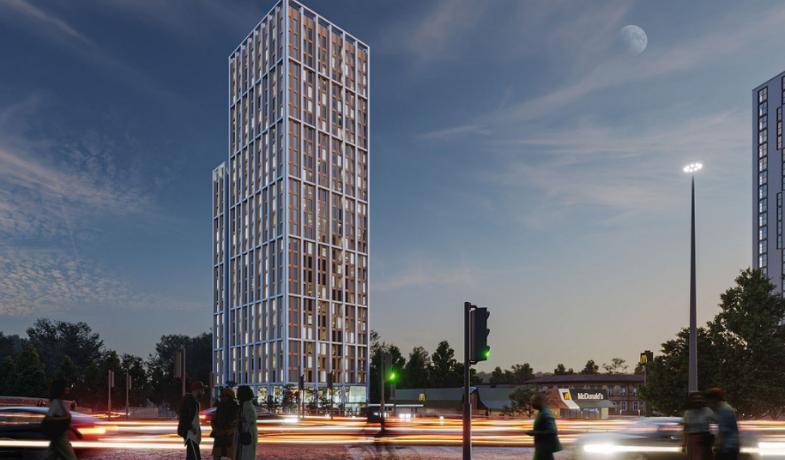
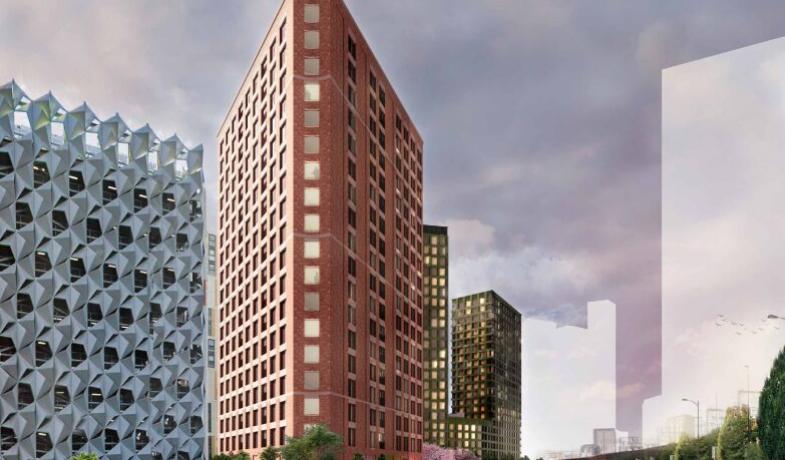
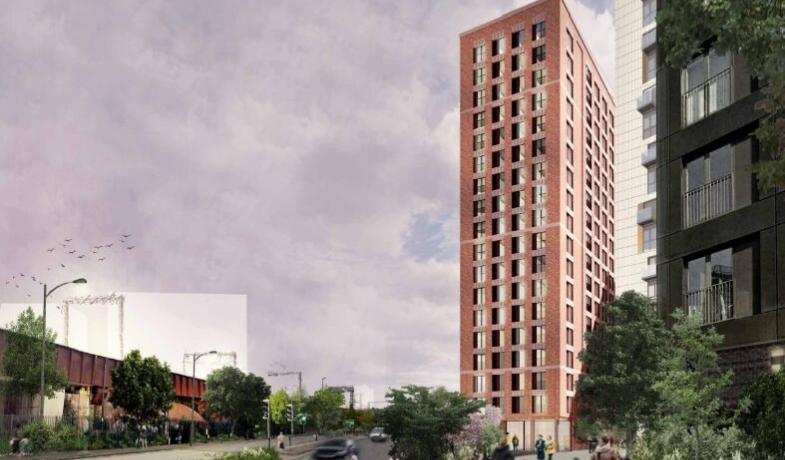
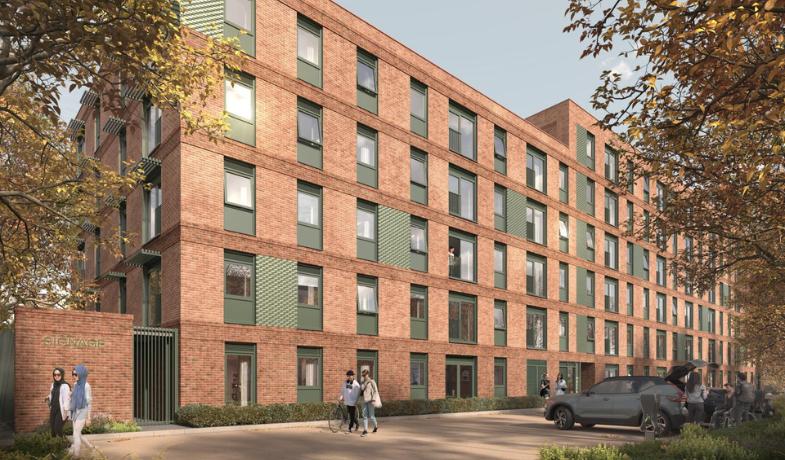
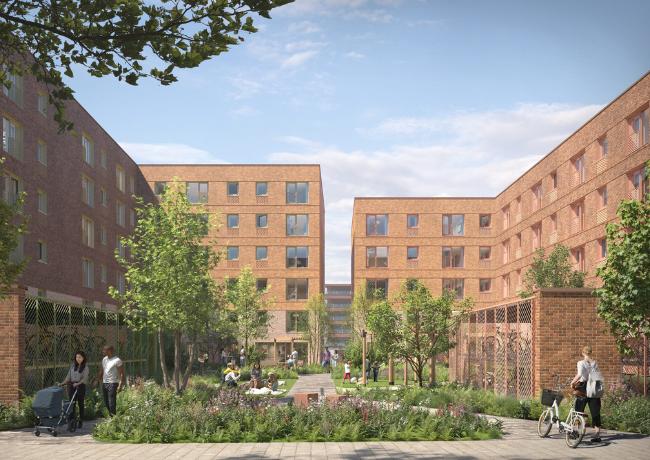
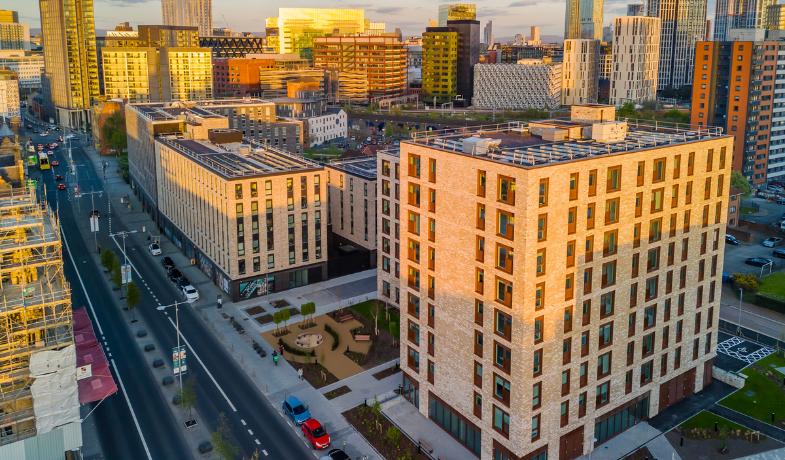
Planning permission has been granted for the next stage at Adelphi Village, a residential development that will deliver 263 new homes, to one of the zones that make up the Crescent Salford Masterplan.

The approval marks an important step forward for the scheme, which will transform a brownfield site on Peru Street into a sustainable new neighbourhood, providing a mix of high-quality market and affordable homes designed to meet the needs of the growing city. Construction is expected to begin in summer 2026.

The £2.5bn, 252-acre Salford Crescent Framework is being delivered by the Crescent Partnership, which includes Salford City Council, the University of Salford and ECF. ECF is a joint venture between Muse, Homes England and L&G.

The 263 new residential units will be delivered as a mix of apartments and duplexes arranged across three six-storey blocks (ground + 5-storeys).

Plans for this new residential neighbourhood include communal spaces; green spaces; dedicated cycle parking; and high-quality accessible homes with provision for disabled parking with EV charging facilities.
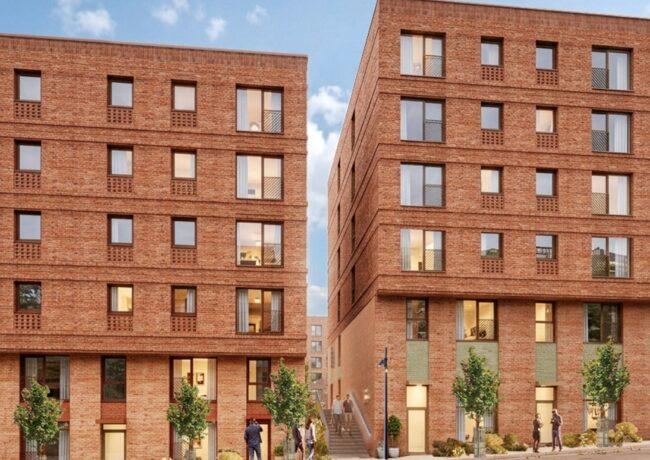
 

Image Courtesy of ECF

Building Services Engineering Strategy

As the Building Services Engineering Consultant on the project our key duties include:

  • Technical review and appraisal of MEP strategy options and requirements to achieve Passivhaus Certification
  • Technical review and development of plant space requirements & distribution routes
  • Provide MEP design input into the PHPP assessment for certification
  • Coordination of existing and new incoming utilities services to suit programme and phasing of this phase and the neighbouring developments.
  • Building Regulations Part L Vol 1&2 Design Stage Compliance Assessments
  • Dynamic Simulation Modelling & Limiting Overheating Analysis for Compliance with Building Regulations Part O
  • Ongoing site inspections & reporting during the construction period

We’re pleased to be working alongside Buttress, Chroma, Clancy Consulting, Project Four, Max Fordham, Re-form Landscape Architects, CBRE, DFC and GWB Consultants on the project design team.

Andrew Carrington

Andrew Carrington

Director

Email: [email protected]
Phone: +44(0)161 337 2200

Greenhaus Salford

Novella, New Bailey
The Slate Yard, New Bailey

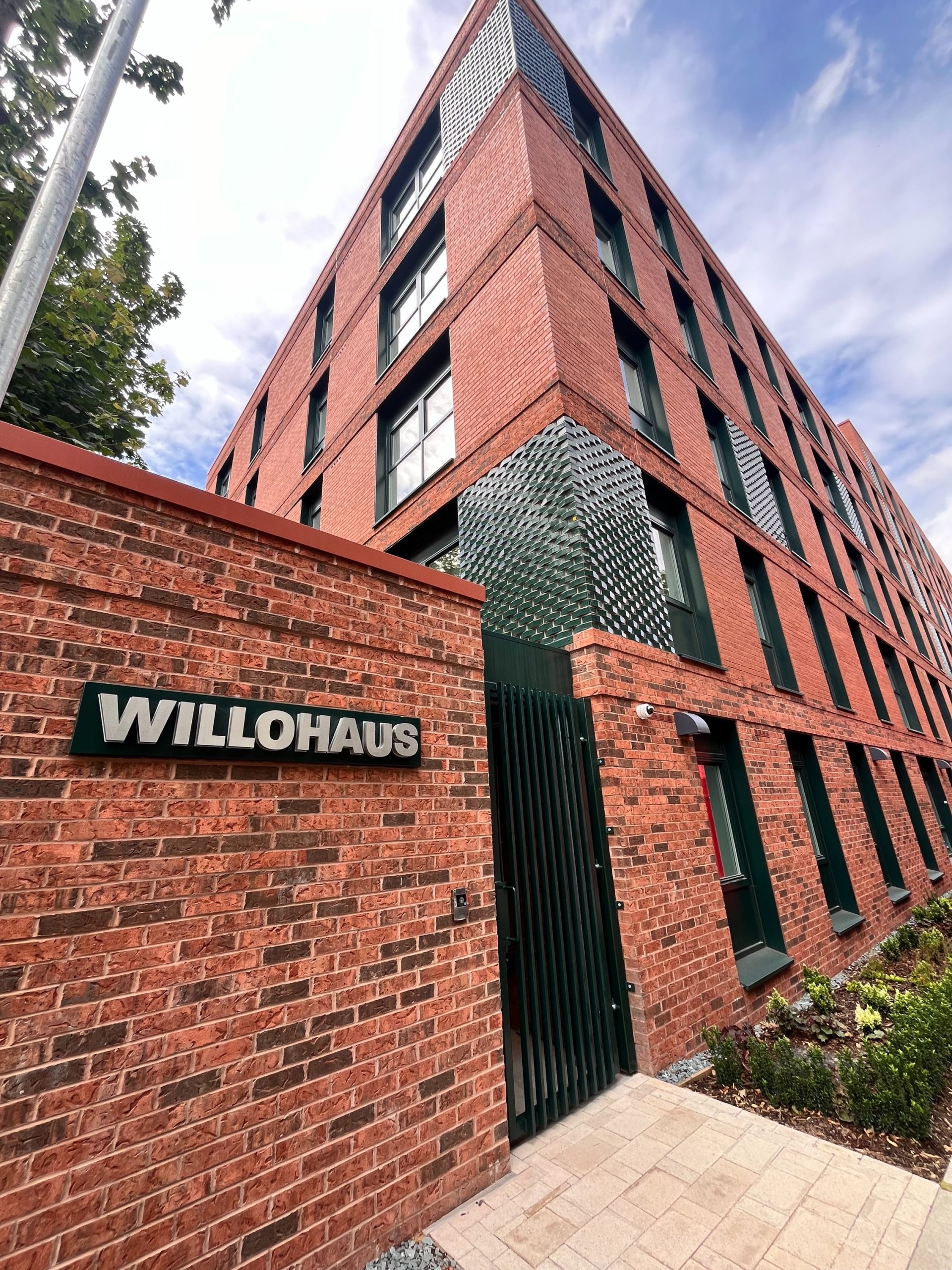
Willohaus Salford – Passivhaus Homes Completes

Willohaus Salford – Passivhaus Homes Completes

Image Courtesy of Jon Parker Lee

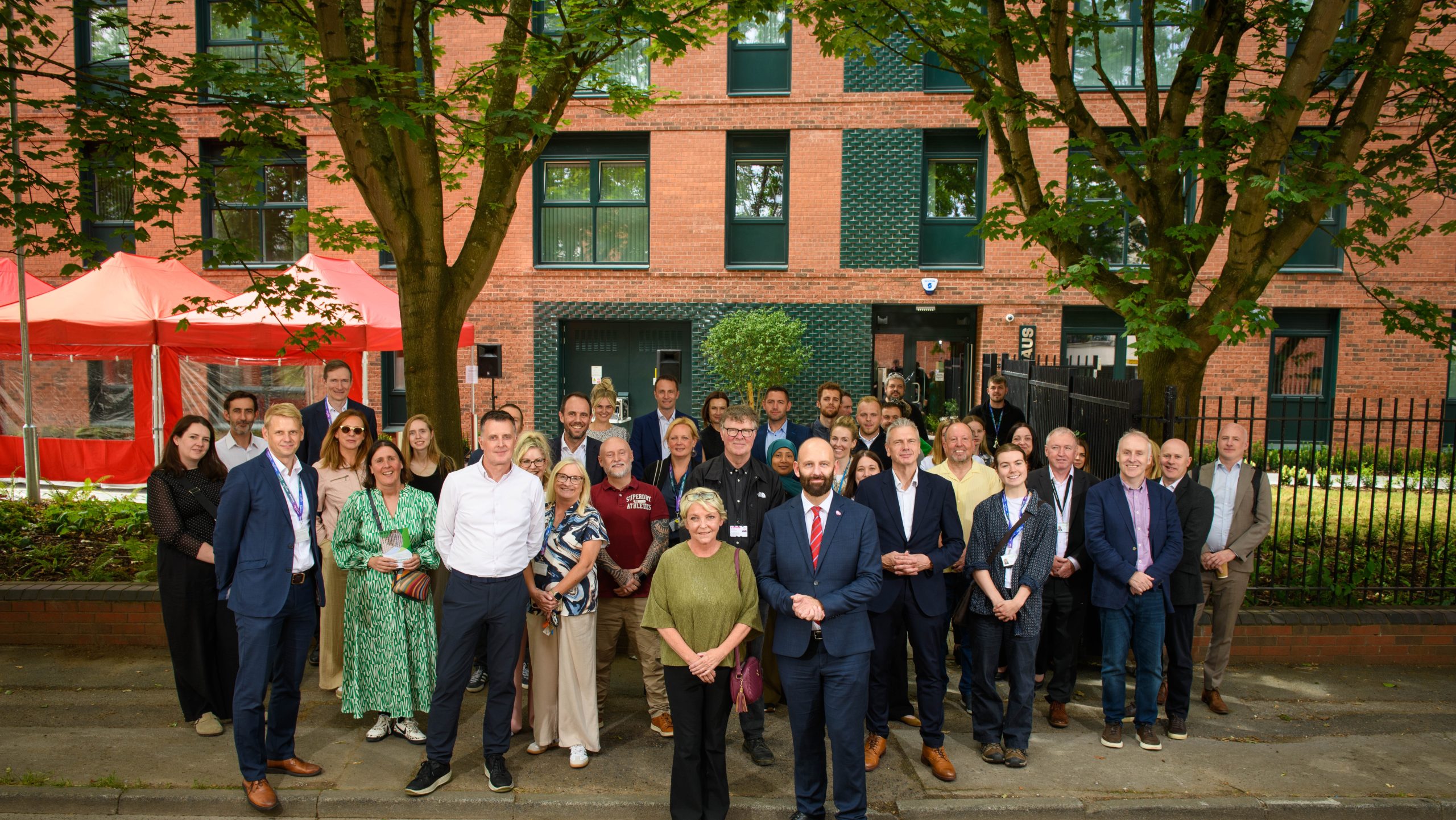
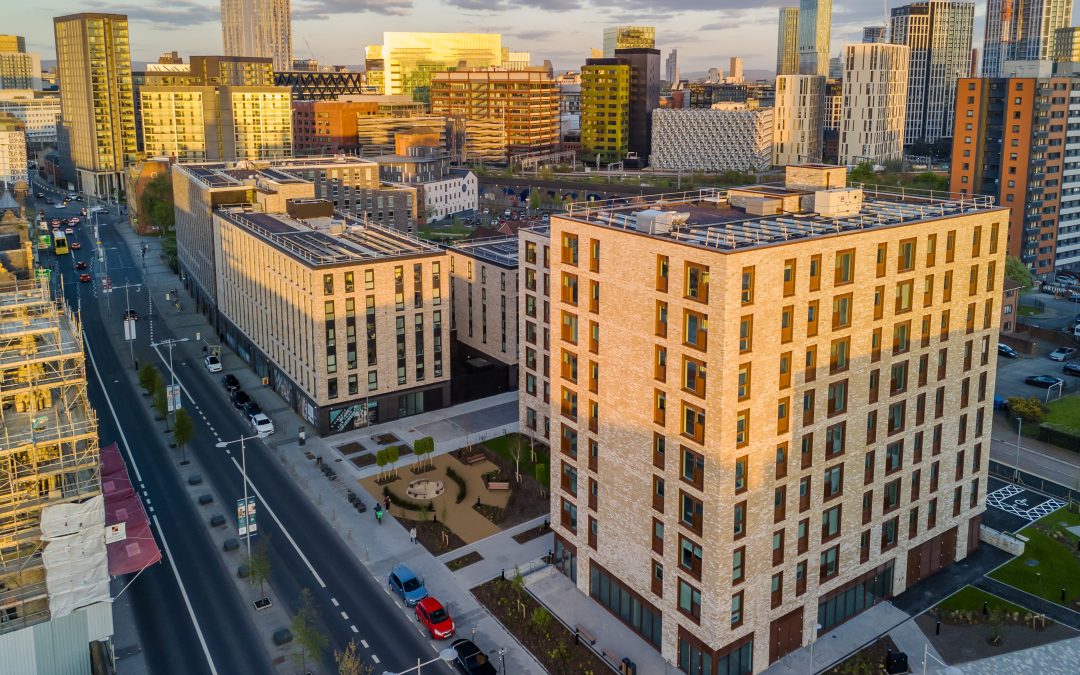
Completed and handed over in July 2026, Willohaus has welcomed its first residents.

The new build residential development delivers a total of 100 affordable and sustainable Passivhaus ‘Classic’ certified apartments on Peru Street in Salford. The part five, part six-storey building comprises a mix of one- and two-bedroom homes, including a proportion of accessible apartments at ground floor.

Willohaus is the second Passivhaus-certified residential scheme brought forward by the ECF in Salford, following the success of Greenhaus on Chapel Street, which completed in 2024. Salford housing association Salix Homes is the housing partner for Willohaus and owns and manages the new homes.

It marks the first completed residential development within Adelphi Village, part of the wider £2.5bn Crescent Salford masterplan.

Building Services Engineering Strategy

Hannan Associates provided the role of Building Services Engineering Consultant on the design team, working in collaboration with the Passivhaus Designer to develop the most effective design Strategy. Our duties included:

  • Utilities services coordination
  • Technical review and development of MEP strategy options and plant space requirements to achieve Passivhaus Certification
  • Provide MEP design input into the PHPP assessment
  • Develop a spatially coordinated MEP design
  • Building Regulations Part L Compliance Assessments
  • Building Regulations Part O Limiting Overheating Analysis
  • Ongoing site inspections & reporting during the construction period
  • Witnessing of the tested & commissioned MEP installations

The primary focus for buildings designed to achieve Passivhaus standards is to employ passive design measures to drive down energy demand. Further to this, the MEP services design is optimised to reduce operational energy intensity associated with the fixed building services. 

The result of which is to provide an enhanced and more comfortable internal environment for residents, but importantly can reduce energy bills by typically 60%, up to a possible 90%, which offers a significant benefit to the resident.

To achieve full certification; the design and construction of the buildings are independently tested and verified prior to occupation.

Hannan Associates worked alongside Chroma, Buttress Architects, Clancy Consulting, Max Fordham, Re-Form, CBRE, Atkins Realis and DFC, in conjunction with main contractor Eric Wright Construction and MEP Contractor Ameon Building Services

Image Courtesy of Jon Parker Lee


ECF and Salford Crescent

Willohaus is part of ECF’s wider £2.5bn regeneration scheme transforming the area of Salford Crescent.

The masterplan contains commercial, retail, residential buildings and enhanced green spaces creating a new and vibrant destination for people to live, work and relax.

ECF is a joint venture between Muse, Legal & General and Homes England. Development partners for the masterplan also include Salford City Council and the University of Salford.

What is Passivhaus

Passivhaus is an international energy standard, originating in Germany, which emerged in the 1990’s and is regulated by The Passivhaus Trust. Passivhaus is typically applied to residential developments, however commercial buildings can also achieve certification. There are 3 ‘traditional’ levels of certification: Classic, Plus and Premium, with options for LEB (Low Energy Building) classification and a retrofit standard also available.

Certification is achieved by employing the 5 foundational principles of Passivhaus, summarised below:

1. Superior Insulation: Continuous, high-performance insulation
2. High-Performance Windows: Triple-glazing and insulated frames
3. Airtightness: Continuous sealing of the building envelope to prevent drafts.
4. Thermal Bridge-Free Design: Careful detailing to eliminate thermal interfaces where heat can escape.
5. Mechanical Ventilation with Heat Recovery (MVHR): Certified, highly efficient systems that supply constant, fresh filtered air while extracting waste heat from exhaust air


Why Design a Passivhaus Project? 

Benefits of designing a Passivhaus Project include; improved thermal comfort, improved indoor air quality & reduced energy demand, which results in lower running costs and increased resident satisfaction.

A building designed to achieve Passivhaus Certification will typically outperform current Part L requirements and will more closely align with the  Future Homes Standard and LETI targets. Passivhaus design can result in energy savings of between 60 – 90% for the end-user, with typical cost uplift of between 2-8% depending on the nature of the scheme.

For further information about key design requirements, MEP Strategy and cost considerations of Passivhaus projects please get in touch ………

Tom Cutt

Tom Cutt

Associate Mechanical Design Engineer

Email: [email protected]
Phone: +44(0)161 337 2200

Greenhaus Salford

The Future Homes Standard Is on Its Way –  Are We Ready?

The Future Homes Standard Is on Its Way – Are We Ready?

The transition from Building Regulations Part L Volume 1 (2021) to the Future Homes Standard (2025) marks a significant step towards achieving the UK’s net-zero carbon targets.

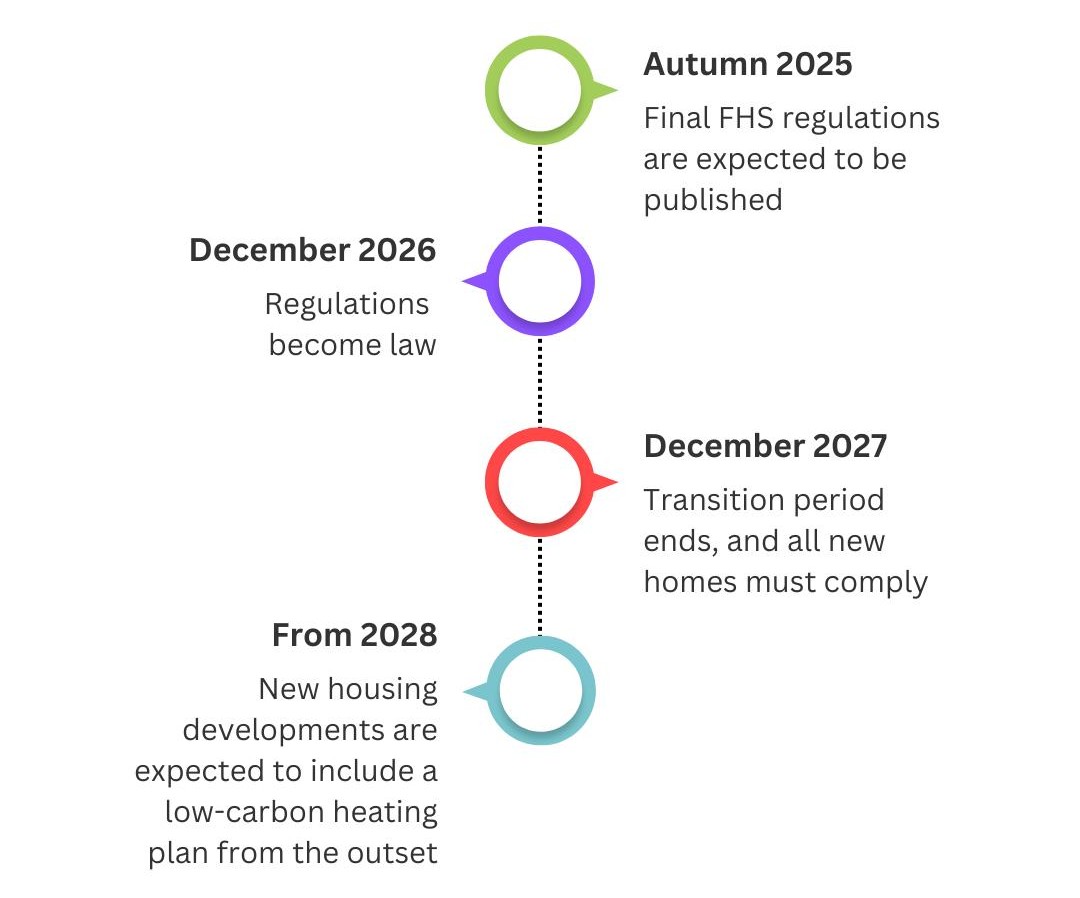
In June this year, the government announced that they are aiming to publish The Future Homes Standard by Autumn 2025.

What is the Future Homes Standard?

Anticipated Timeline

How will The Future Homes Standard Affect the Industry?

How can Hannan Associates Help with Your Residential Development?

Hannan Residential Services 

Contact us


What is the Future Homes Standard?

Part L (2021) was an interim uplift, targeting approximately 30% reduction in CO2 emissions compared with the previous iteration, while the Future Homes Standard represents the ‘final’ regulatory framework for new homes in England, designed to target an approximate 75% reduction in CO2 emissions and qualify as “zero-carbon ready.”

It is proposed that this will be achieved by continuing to promote a fabric-first approach, where a high performing building envelope will be encouraged to reduce space heating demand, making it easier for low-carbon heating systems to operate effectively.

It is not anticipated that there will be significant improvements from the notional dwelling specification currently outlined in Part L Volume 1 (2021) – The anticipated changes generally comprise; provision of a low-carbon heat source (for space heating and domestic hot water generation) and incorporation of a solar PV array for the vast majority of new build homes.

Summary Comparison of Part L Volume 1 (2021) and the Future Homes Standard (2025):


Feature

CO2 Emissions Reduction


Building Reulations

Part L (2021)

Approximately 31% reduction (compared with 2013 standards)


Future Homes

Standard (2025)

75-80% reduction (compared with 2013 standards)

Heating Systems

Allows fossil fuel heating (e.g., gas boilers)

Unlikely that compliance can be demonstrated using fossil fuel heating in new homes

Primary Heating Technology

Gas boilers and other systems were still common

Low-carbon heating (e.g., heat pumps) will be the primary technology

Building Fabric

Enhanced U-values for walls, windows, and roofs; enhanced focus on “fabric-first” compared with 2013

Fabric standards remain similar; greater emphasis on airtightness to suit heat pump design

Compliance Method

Standard Assessment Procedure (SAP 10 Methodology)

Home Energy Model (HEM) – New methodology

Effective Date

In effect from June 2022

Expected to be fully implemented in late 2026/early 2027, including a transitional period

Anticipated Timeline

At the time of writing there has been no confirmation of any definite fixed dates.

How will The Future Homes Standard Affect the Industry?

Going forward residential designers will need to focus on improving building fabric, incorporating low-carbon heating and hot water systems, installing EV charging infrastructure, and enhancing ventilation.

A breakdown of the key considerations:

Assessment

The new Home Energy Model (HEM) will be introduced to assess compliance, replacing the current Standard Assessment Procedure (SAP). This will use a Primary Energy Rate as the main metric for measuring performance this will force the following considerations and inclusions:

  • No fossil fuels: New homes will be banned from connecting to the gas grid. This eliminates fossil fuel heating systems, including gas boilers.
  • Heat pumps: The standard promotes the use of low-carbon heating systems, with air source or ground source heat pumps expected to be the main technology.
  • Heat networks: Connecting to a low-carbon heat network is another way to meet the requirements.

Enhanced energy efficiency

  • Superior insulation: Walls, floors, and roofs must have improved insulation to minimize heat loss.
  • Triple glazing: High-quality, triple-glazed windows are likely to become favourable for new builds to increase thermal efficiency.
  • Airtightness: New homes must meet stricter airtightness and thermal bridging standards to prevent heat loss.

Improved ventilation

  • Better indoor air quality: Stricter ventilation standards ensure adequate fresh air without compromising the building’s airtightness. This can be achieved through systems like Mechanical Extract Ventilation (MEV) or Mechanical Ventilation with Heat Recovery (MVHR).
  • Overheating mitigation: The regulations include measures to prevent overheating, which is a growing problem in modern, highly insulated homes. Requirements may include limiting solar gain and incorporating passive or active cooling solutions.

Renewable energy and infrastructure

  • Solar PV: While subject to consultation, one option includes mandatory solar photovoltaic (PV) panels to generate on-site electricity.

Development Costs

Ambitious housing targets and increasing rate of development, along with the planned migration from gas will increase the required electrical capacity for new developments, which may result in subsequent cost increase associated with network reinforcement etc. as the existing capacity becomes saturated.

Project Timelines

The changes are expected to impact construction programmes (at least initially), as the industry expands new processes and technologies.  This is likely to be accentuated by the ‘skills gap.’ There is already a reported shortage in skilled installers proficient in low-carbon technologies (heat pumps & PV), which may be compounded as more schemes are delivered.

Futureproofing

As the ongoing ‘greening of the grid’ continues, off-site grid emissions will subsequently reduce as we prioritise renewable generation, along with other sources such as nuclear, hydrogen tech and carbon capture.

Smart Grids and Digitisation

The grid will become “smarter,” using digital technology and data to balance supply and demand more effectively. This will include better forecasting of renewable generation and consumer demand, and the use of data to manage the grid in real-time.

How can Hannan Associates Help with Your Residential Development?

We provide our clients with a range of services to help them meet the increasingly complex set of targets and standards that residential developments must now meet.

We have extensive experience delivering Passivhaus certified schemes, which is the pioneering sustainability standard from which many of the targets and principles for the Future Homes Standard have been derived.

If you would like a chat about the Future Homes Standard, Building Regulations, Passivhaus or anything else connected to residential developments and our services, please drop us an email.


Hannan Residential Services 

MEP Strategy

Utilities planning

Plant space planning & coordination

Central plant solutions

Local plant solutions

Heating & DHW strategy (inc. ASHP)

Ventilation strategy (whole house & purge)

Metering strategy

Renewables options

Vertical Transport Systems

Vertical & horizontal services distribution

Thermal analysis

Certification options i.e. Passivhaus & Home Quality Mark

Heating & DHW strategy (inc. ASHP)

Lift Traffic Analysis

Essential services & life safety systems

Cost appraisal

Planning Support

Building Regulations

Sustainability Statements

Environmental Standards and Energy Statement 

Heat Energy Network Assessment

Low Carbon Heat Appraisal

Energy and Carbon Profoma

Embodied Carbon Appraisal

Utilities Statements

Ventilation Strategy 

Broadband Connectivity

TV Reception

Part F – Ventilation

Part L – Conservation of Fuel & Power

Part O – Overheating

Part S – Infrastructure for the Charging of Electric Vehicles

Part R – Infrastructure for Electronic Communications


Low Carbon Design


Sustainability Certification & Assessment

Additional Services


Passive design analysis

Low & Zero Carbon (LZC) Technologies/ Renewables

MEP Design to achieve Passivhaus Certification

LETI

UKGBC

UKNZC

Local Planning Authority Targets

BREEAM UKNCR

SAP Calculations for Part L Vol 1 Compliance

Dynamic Simulation Modelling for Part L Vol 2 Compliance

Overheating assessments for Part O Compliance (Simplified Method & Dynamic Simulation)

Operational Energy Modelling (CIBSE TM54)

Life Cycle Assessment

Life Cycle Costing

Contractor design & construction monitoring

Consultation on glazing design, external shading and impact on Building Regulations Compliance

Tom Cutt

Tom Cutt

Associate Mechanical Design Engineer

Email: [email protected]
Phone: +44(0)161 337 2200
Ian Joyce

Ian Joyce

Director

Email: [email protected]
Phone: +44(0)161 337 2200

Cross Lane Salford

Novella, New Bailey

Greenhaus Salford

Approval for Affordable Homes at New Bailey, Salford

Approval for Affordable Homes at New Bailey, Salford

Image Courtesy of ECF.

The latest and final residential scheme at New Bailey, Salford has secured planning permission. 

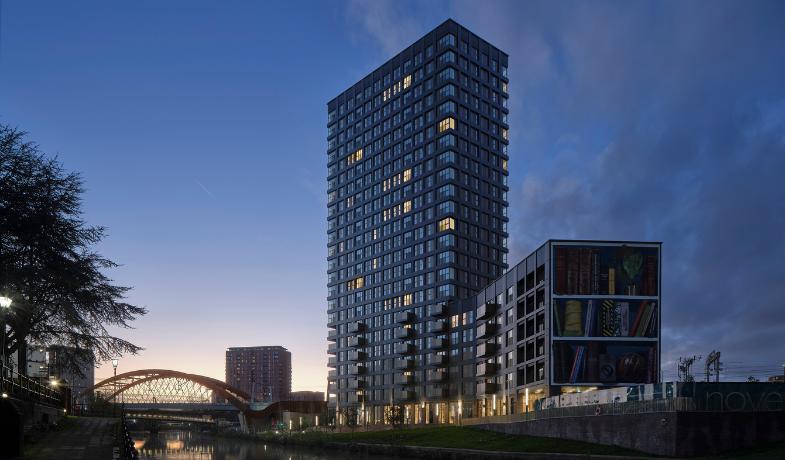
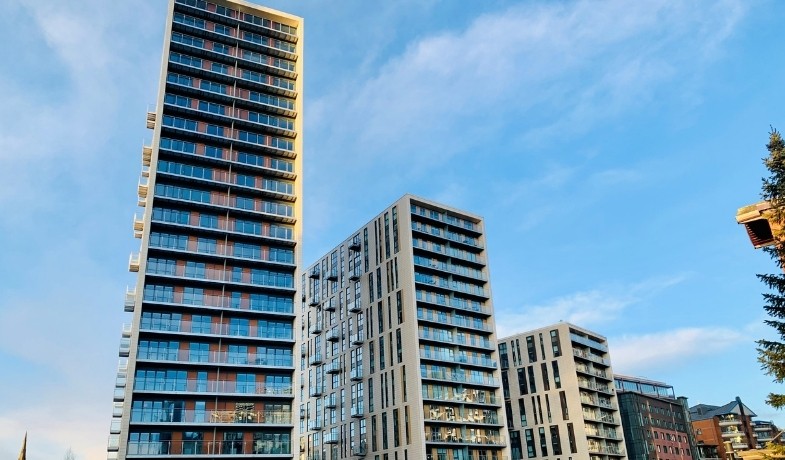
The scheme is set to deliver 189 affordable homes and once complete will take the total number of new homes delivered at New Bailey to 1,000. The development will sit amongst five other residential schemes, including: the three blocks at The Slate Yard; Novella; and Plot C2 which is currently under construction.

ECF are delivering the scheme as part of the wider £1bn regeneration of Salford Central. ECF is a joint venture between Muse, Legal & General and Homes England, in conjunction with Salford City Council.

Hannan Associates are very happy to be a part of the team working alongside Hawkins/Brown, Buro Four, DPP Planning, Walker Sime, Renaissance, Design Fire Consultants, Project Four, WSP and Re-form Landscape Architects. 


Image Courtesy of ECF

Hannan Associate’s Appointment

The Hannan residential team are providing Building Services Engineering consultancy services including:

  • Early-stage technical review and development of plant space options &
    requirements
  • Utilities coordination based on proposal to connect to existing
    infrastructure installed under the Phase 1 (C1 Novella) works. 
  • Building Regulations Part L Design Stage Compliance Assessments
  • Building Regulations Part O Limiting Overheating Analysis
  • TM54 Operational Energy calculations
  • Ongoing site inspections & reporting during the construction period


If you would like to talk to us about a future project please give us a call or drop us an email….


Andrew Carrington

Andrew Carrington

Director

Email: [email protected]
Phone: +44(0)161 337 2200

Cross Lane Salford

Novella, New Bailey

The Slate Yard, New Bailey

Greenhaus Salford – Passivhaus, Affordable Homes

Greenhaus Salford – Passivhaus, Affordable Homes

Completed in March 2024, Greenhaus is the first and largest Passivhaus certified, affordable development in the North West.

The highly sustainable residential development on Chapel Street, Salford includes 96 eco-friendly, affordable apartments designed and built to Passivhaus ‘Classic’ standard.

Greenhaus is one of the latest regeneration chapters in the Chapel Street area of Salford Central led by The English Cities Fund. This scheme has been developed alongside Salix Homes who are the housing association partner for the scheme.

Building Services Engineering Strategy

Hannan Associates provided the role of Building Services Engineering Consultant on the design team, working in collaboration with the Passivhaus Designer to develop the most effective design Strategy. Our duties included:

  • Technical review and development of MEP strategy options and plant space requirements to achieve Passivhaus Certification
  • Building Services design input into the PHPP assessment
  • Building Regulations Part L Design Stage Compliance Assessments
  • Limiting Overheating Analysis
  • Ongoing site inspections & reporting during the construction period

The Passivhaus certification was achieved by prioritising passive measures such as enhanced building fabric, triple glazing, and significantly improved air tightness. This was complemented by an all-electric strategy incorporating heat pump technology used to generate domestic hot water and employing high efficiency MVHR units for residential ventilation.

Other members of the team included:  Buttress Architects; Appleyard & Trew; Alan Johnston Partnership; Max Fordham; Design Fire Consultants; Planit IE; main contractor Eric Wright Construction and MEP Contractor Ameon Building Services.

 “The overarching aim with Greenhaus has been to reduce energy demand and to employ highly efficient, sustainable services design to address fuel poverty and the cost-of-living crisis. In doing so, the scheme is also a positive step in the right direction for achieving carbon targets, offers improved levels of thermal comfort, and will improve residents’ health and wellbeing. The success of the scheme has been driven by each discipline’s attention to detail throughout the design and construction period. Greenhaus has set the blueprint for our next certified scheme, ‘Willohaus’, which is now on site and being developed as part of the Salford Crescent masterplan”.

Tom Cutt  – Hannan Associates


English Cities Fund and Salford Central

Greenhaus is part of ECF’s wider £1bn regeneration scheme transforming the area of Salford Central.  The masterplan contains commercial, retail and residential buildings creating a new and vibrant destination for people to live, work and relax.

The English Cities Fund is a joint venture between Muse, Legal & General and Homes England, in conjunction with Salford City Council. 

What is Passivhaus

Passivhaus is an international energy standard, originating in Germany, which emerged in the 1990’s and is regulated by The Passivhaus Trust.  Passivhaus is typically applied to residential developments, however commercial buildings can also achieve certification . There are 3 levels of certification: Classic, Plus and Premium. 


Why Design a Passivhaus Project? 

Benefits of designing a Passivhaus Project include; improved thermal comfort, improved indoor air quality & reduced energy demand, which results in lower running costs.

A building designed to achieve Passivhaus Certification will typically outperform current 2021 Part L requirements and will more closely align with the anticipated Future Homes Standard and LETI target. Passivhaus design can result in energy savings of between 60 – 90% for the end-user.


For further information about key design requirements, MEP Strategy and cost considerations of Passivhaus projects please get in touch ………

Tom Cutt

Tom Cutt

Associate Mechanical Design Engineer

Email: [email protected]
Phone: +44(0)161 337 2200

Willohaus Salford

Pin It on Pinterest