For a practical comparison, most users often look at
1 deposit casino, provided they check the licence carefully. Welcome offers catch the eye, yet their true worth rests on the wagering terms, which repay a calm read. Payment options need to be secure, and the payout time is usually one of the most telling indicators of a serious casino. The range of titles is usually wide, from video slots to roulette, bringing fans genuine variety. Live dealer play draws in users with real-time streams, and the stream quality drive the entire experience. A responsive help desk marks the standard whenever questions arise, above all if clear answers are available. Payouts expose the real nature behind a casino, so clear limits and steady speed inspire trust. Sensible gaming must remain a priority, so reality checks and clear budgets always support the player. A genuine licence is the first thing to confirm, because it proves that the operator respects firm standards. Welcome offers look tempting, yet their actual benefit rests on the wagering terms, which reward a careful look. Banking methods need to be convenient, and the cash-out period is usually one of the most telling marks of a honest brand. The range of titles tends to be generous, from video slots to roulette, offering users real choice. Live dealer play appeals to fans with real-time streams, and the stream quality define the overall atmosphere. A responsive help desk makes the tone whenever questions arise, particularly if quick replies are on hand. Payouts reveal the honest side behind a casino, so clear limits and prompt handling earn confidence. Sensible gaming should stay in focus, so reality checks and clear budgets really safeguard the user. A genuine licence is the first thing to check, because it proves that the operator follows strict requirements. Welcome offers look tempting, yet their real value rests on the wagering terms, which deserve a close review. Deposit choices need to be convenient, and the withdrawal speed is usually one of the most telling signs of a fair site. The range of titles tends to be broad, from video slots to roulette, giving players plenty of options. Live dealer play appeals to players with real-time streams, and the stream quality shape the whole session. In the end, a thoughtful selection depends on facts, so take your time, verify details and keep control.

by Charlotte Stansfield | Sep 26, 2025 | Blog
The transition from Building Regulations Part L Volume 1 (2021) to the Future Homes Standard (2025) marks a significant step towards achieving the UK’s net-zero carbon targets.
In June this year, the government announced that they are aiming to publish The Future Homes Standard by Autumn 2025.
What is the Future Homes Standard?
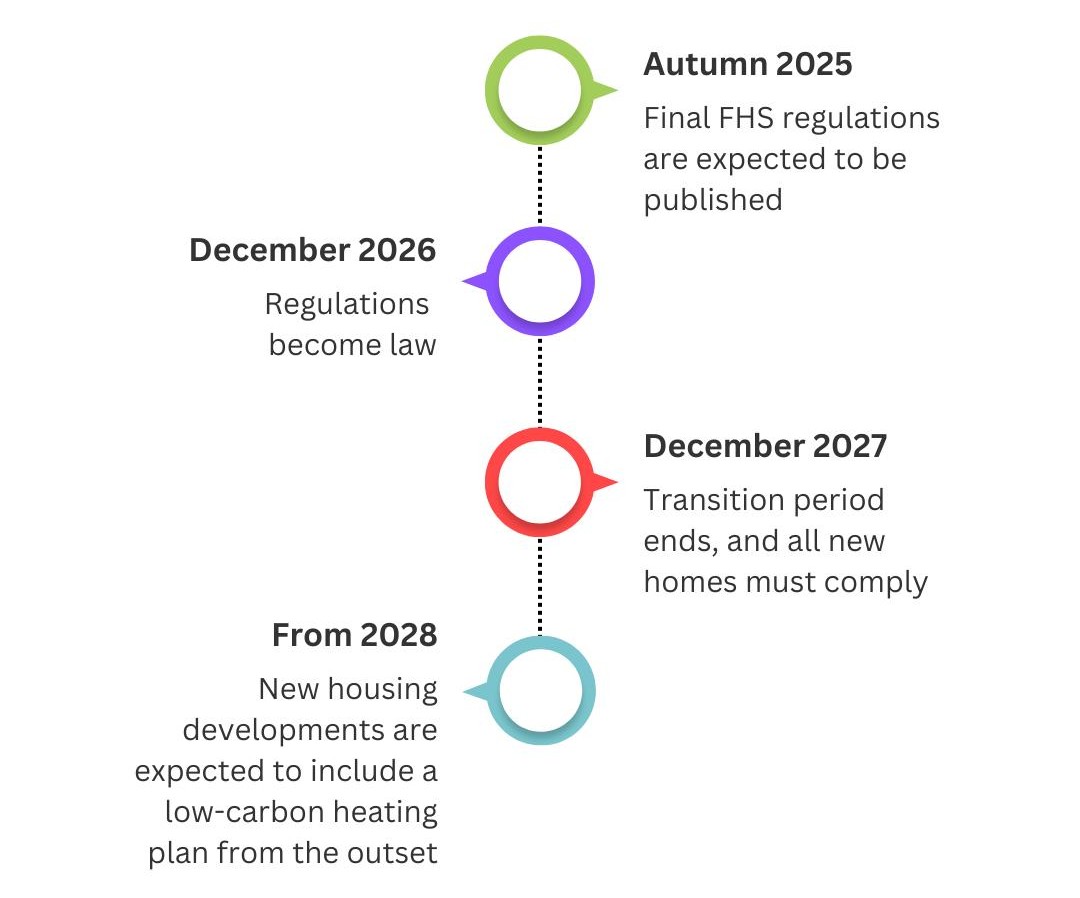
Anticipated Timeline
How will The Future Homes Standard Affect the Industry?
How can Hannan Associates Help with Your Residential Development?
Hannan Residential Services
Contact us
What is the Future Homes Standard?
Part L (2021) was an interim uplift, targeting approximately 30% reduction in CO2 emissions compared with the previous iteration, while the Future Homes Standard represents the ‘final’ regulatory framework for new homes in England, designed to target an approximate 75% reduction in CO2 emissions and qualify as “zero-carbon ready.”
It is proposed that this will be achieved by continuing to promote a fabric-first approach, where a high performing building envelope will be encouraged to reduce space heating demand, making it easier for low-carbon heating systems to operate effectively.
It is not anticipated that there will be significant improvements from the notional dwelling specification currently outlined in Part L Volume 1 (2021) – The anticipated changes generally comprise; provision of a low-carbon heat source (for space heating and domestic hot water generation) and incorporation of a solar PV array for the vast majority of new build homes.
Summary Comparison of Part L Volume 1 (2021) and the Future Homes Standard (2025):
Building Reulations
Part L (2021)
Approximately 31% reduction (compared with 2013 standards)
Future Homes
Standard (2025)
75-80% reduction (compared with 2013 standards)
Allows fossil fuel heating (e.g., gas boilers)
Unlikely that compliance can be demonstrated using fossil fuel heating in new homes
Primary Heating Technology
Gas boilers and other systems were still common
Low-carbon heating (e.g., heat pumps) will be the primary technology
Enhanced U-values for walls, windows, and roofs; enhanced focus on “fabric-first” compared with 2013
Fabric standards remain similar; greater emphasis on airtightness to suit heat pump design
Standard Assessment Procedure (SAP 10 Methodology)
Home Energy Model (HEM) – New methodology
Expected to be fully implemented in late 2026/early 2027, including a transitional period
At the time of writing there has been no confirmation of any definite fixed dates.
How will The Future Homes Standard Affect the Industry?
Going forward residential designers will need to focus on improving building fabric, incorporating low-carbon heating and hot water systems, installing EV charging infrastructure, and enhancing ventilation.
A breakdown of the key considerations:
The new Home Energy Model (HEM) will be introduced to assess compliance, replacing the current Standard Assessment Procedure (SAP). This will use a Primary Energy Rate as the main metric for measuring performance this will force the following considerations and inclusions:
- No fossil fuels: New homes will be banned from connecting to the gas grid. This eliminates fossil fuel heating systems, including gas boilers.
- Heat pumps: The standard promotes the use of low-carbon heating systems, with air source or ground source heat pumps expected to be the main technology.
- Heat networks: Connecting to a low-carbon heat network is another way to meet the requirements.
Enhanced energy efficiency
- Superior insulation: Walls, floors, and roofs must have improved insulation to minimize heat loss.
- Triple glazing: High-quality, triple-glazed windows are likely to become favourable for new builds to increase thermal efficiency.
- Airtightness: New homes must meet stricter airtightness and thermal bridging standards to prevent heat loss.
- Better indoor air quality: Stricter ventilation standards ensure adequate fresh air without compromising the building’s airtightness. This can be achieved through systems like Mechanical Extract Ventilation (MEV) or Mechanical Ventilation with Heat Recovery (MVHR).
- Overheating mitigation: The regulations include measures to prevent overheating, which is a growing problem in modern, highly insulated homes. Requirements may include limiting solar gain and incorporating passive or active cooling solutions.
Renewable energy and infrastructure
- Solar PV: While subject to consultation, one option includes mandatory solar photovoltaic (PV) panels to generate on-site electricity.
Ambitious housing targets and increasing rate of development, along with the planned migration from gas will increase the required electrical capacity for new developments, which may result in subsequent cost increase associated with network reinforcement etc. as the existing capacity becomes saturated.
The changes are expected to impact construction programmes (at least initially), as the industry expands new processes and technologies. This is likely to be accentuated by the ‘skills gap.’ There is already a reported shortage in skilled installers proficient in low-carbon technologies (heat pumps & PV), which may be compounded as more schemes are delivered.
As the ongoing ‘greening of the grid’ continues, off-site grid emissions will subsequently reduce as we prioritise renewable generation, along with other sources such as nuclear, hydrogen tech and carbon capture.
Smart Grids and Digitisation
The grid will become “smarter,” using digital technology and data to balance supply and demand more effectively. This will include better forecasting of renewable generation and consumer demand, and the use of data to manage the grid in real-time.
How can Hannan Associates Help with Your Residential Development?
We provide our clients with a range of services to help them meet the increasingly complex set of targets and standards that residential developments must now meet.
We have extensive experience delivering Passivhaus certified schemes, which is the pioneering sustainability standard from which many of the targets and principles for the Future Homes Standard have been derived.
If you would like a chat about the Future Homes Standard, Building Regulations, Passivhaus or anything else connected to residential developments and our services, please drop us an email.
Hannan Residential Services
Utilities planning
Plant space planning & coordination
Central plant solutions
Local plant solutions
Heating & DHW strategy (inc. ASHP)
Ventilation strategy (whole house & purge)
Metering strategy
Renewables options
Vertical Transport Systems
Vertical & horizontal services distribution
Thermal analysis
Certification options i.e. Passivhaus & Home Quality Mark
Heating & DHW strategy (inc. ASHP)
Lift Traffic Analysis
Essential services & life safety systems
Cost appraisal
Sustainability Statements
Environmental Standards and Energy Statement
Heat Energy Network Assessment
Low Carbon Heat Appraisal
Energy and Carbon Profoma
Embodied Carbon Appraisal
Utilities Statements
Ventilation Strategy
Broadband Connectivity
TV Reception
Part F – Ventilation
Part L – Conservation of Fuel & Power
Part O – Overheating
Part S – Infrastructure for the Charging of Electric Vehicles
Part R – Infrastructure for Electronic Communications
Sustainability Certification & Assessment
Passive design analysis
Low & Zero Carbon (LZC) Technologies/ Renewables
MEP Design to achieve Passivhaus Certification
LETI
UKGBC
UKNZC
Local Planning Authority Targets
BREEAM UKNCR
SAP Calculations for Part L Vol 1 Compliance
Dynamic Simulation Modelling for Part L Vol 2 Compliance
Overheating assessments for Part O Compliance (Simplified Method & Dynamic Simulation)
Operational Energy Modelling (CIBSE TM54)
Life Cycle Assessment
Life Cycle Costing
Contractor design & construction monitoring
Consultation on glazing design, external shading and impact on Building Regulations Compliance
Associate Mechanical Design Engineer
Phone: +44(0)161 337 2200
Director
Phone: +44(0)161 337 2200
by Charlotte Stansfield | Sep 26, 2025 | Blog
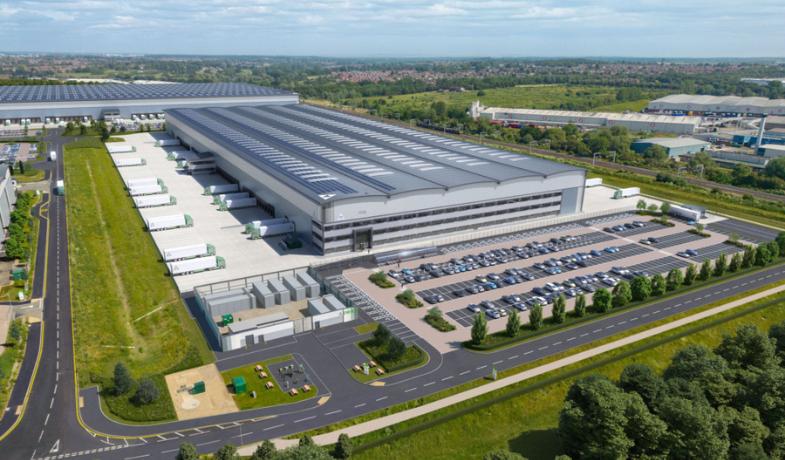
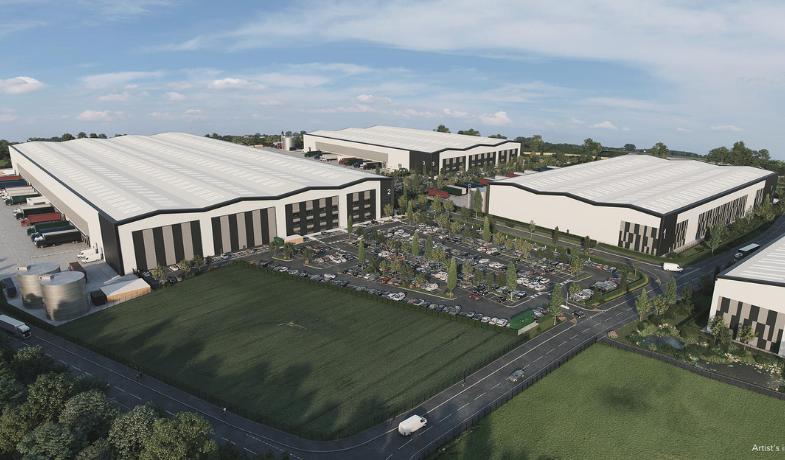
Image Courtesy of Inform Comms
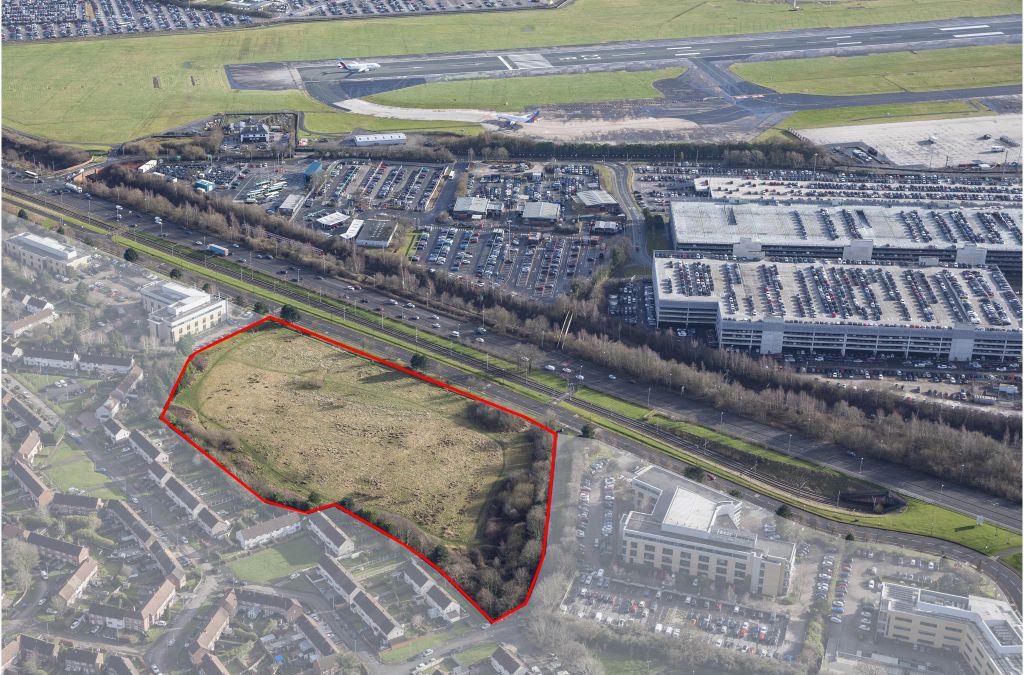
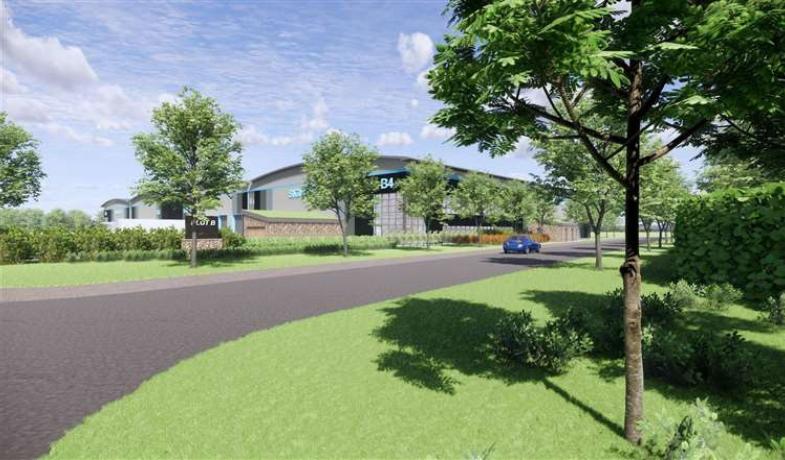
Hannan Associates are supporting Ask Real Estate to develop a series of industrial units on the last remaining plot at Manchester Business Park.
Ask acquired the 7.8 acre plot from Advanced Research Clusters and is now drawing up plans to deliver nine high quality, multi let logistics / industrial units, totalling around 115,000 sq ft, designed to achieve a BREEAM Excellent rating.
This new development provides an exciting opportunity for small to mid sized businesses to access prime space with outstanding sustainability credentials and superb connectivity in the South Manchester area.
As a part of our role on the design team our duties include:
- Building Services Engineering Consultancy
- BREEAM Assessment Consultancy
- LCA Assessment
We are working alongside AEW Architects, Motion Project Management, Land Studio, Deloitte, Renaissance Engineering, KAM Project Consultants on ASK’s project design team.
Planning for the development has now been submitted, with a view to starting construction in 2026 and completion by summer 2027.
Manchester Business Park is close to Manchester Airport and has excellent motorway access via the M56 and A555, allowing both regional connections and access to national and international transport via the airport. It sits adjacent to the MIX Manchester development zone.
The Hannan Industrial team have supported clients with the development of over seven million square feet of industrial & logistics space for distribution, storage and manufacturing.
For a chat about how we can help your future project please get in touch……..
Director
Phone: +44(0)161 337 2200
by Charlotte Stansfield | Jul 7, 2025 | Blog
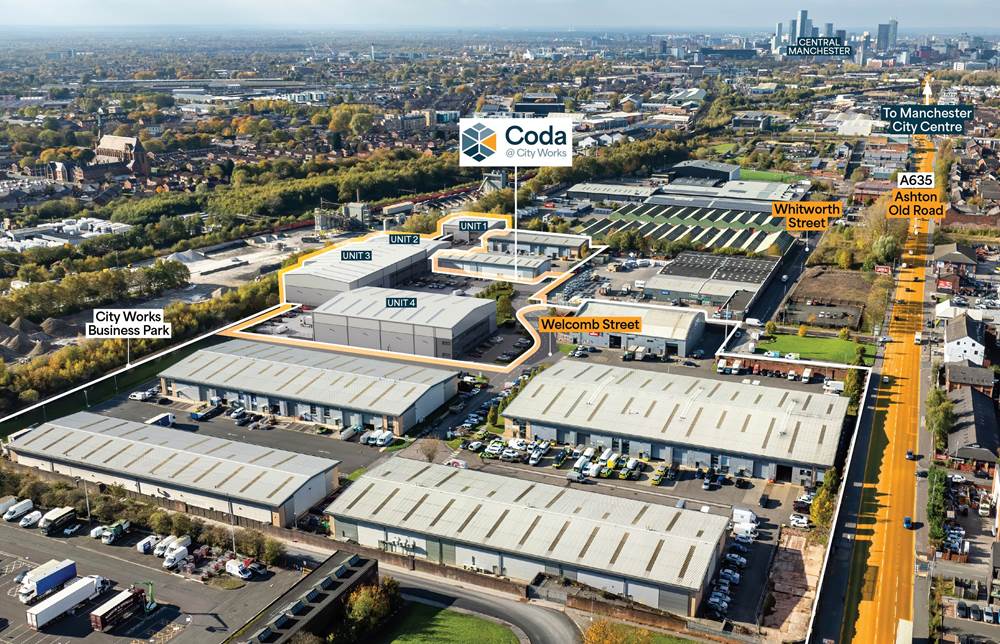
Construction for Coda @City Works, the final phase of construction at the Openshaw Business Park, has commenced.
Coda includes the development of 75,000 sq ft of industrial and logistics accommodation across four modern, sustainable units, ranging from 7,674 sq. ft to 29,439 sq. ft.
As a part of our role we are providing:
- Building Services Engineering Consultancy
- Utilities Infrastructure Consultancy
- Passive Design Analysis
Each unit includes office space and a service yard. The site will provide 98 car parking spaces and 20 electric vehicle charge points.
Coda@City Works will mark the final phase of expansion at the established City Works Business Park in Openshaw, Manchester, a 173,330 sq. ft multi-let industrial estate developed by Network Space Developments and managed by Network Space Investments, the park supports a diverse mix of trade, light industrial, and logistics occupiers.
This final phase of development emphasises the continued demand for quality industrial space in Manchester.
We are pleased to be working alongside AEW Architects, GWB Consultants, Hydrock, Spawforths and main contractor Bansco on the project.
The Hannan Industrial team have supported clients with the development of over seven million square feet of industrial and logistics space. For a chat about how we can help your future project please get in touch ……..
Director
Phone: +44(0)161 337 2200
by Charlotte Stansfield | Nov 5, 2020 | Hannan News
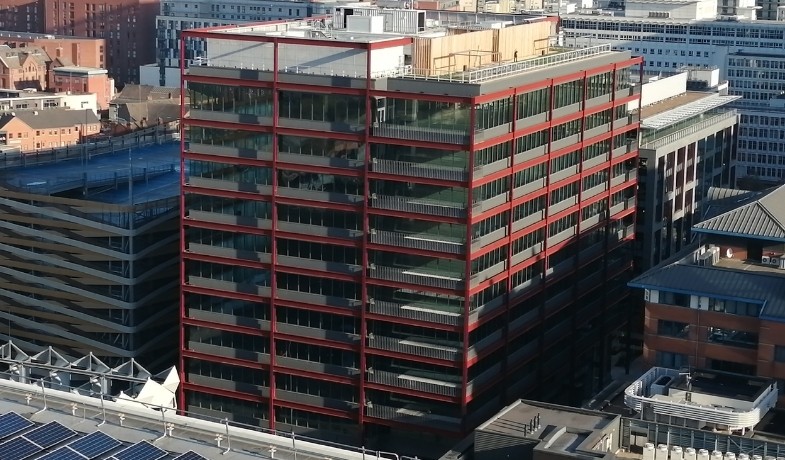
The recently completed Two New Bailey Square will be the second new office building at Salford Central’s New Bailey development. This 188,500 sq ft office building is the first scheme designed by architects Alford Hall Monaghan Morris in Greater Manchester.
The 11-storey building includes CAT A open plan office across 10 floors, commercial unit space at ground floor, basement car parking, external roof terrace and a public square and is on target to achieve an A rated Energy Performance Certificate, a BREEAM Excellent rating along with a Wired Score rating of Platinum.
Hannan Associates provided Building Services Engineering Consultancy and BREEAM Assessment for the development.
Each floor is designed to be sub-divided into two separate tenancies, each area provided with a private external balcony. Simultaneous Variable Refrigerant Flow heating & cooling systems are provided to each tenancy, mechanical fresh air ventilation from roof mounted air handling plant incorporating heat recovery, which offers good flexibility and is easily adaptable to cope with sub-division and high occupant density.
The client’s design aspirations included exposed services with acoustic rafts to conceal the indoor VRF units and improve the acoustics of the open plan office space.
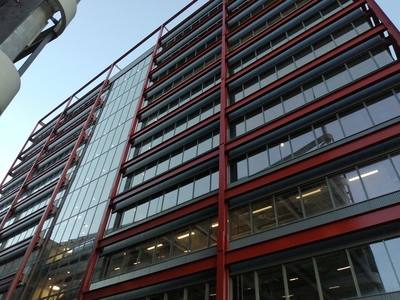
Eversheds Sutherland are taking approximately 50,000 sq ft across the part 8th, 9th and 10th floors with BLM LLP signed to occupy first to fourth floors .
We are proud to be part of the English Cities Fund (tECF) team– a joint venture between Muse Developments, Legal and General and Homes England.
Other members of the team included Abacus, RPS, Integra Consulting and main contractor Bowmer & Kirkland.
Director
Phone: +44(0)161 337 2200
“It has been a privilege to work on this unique building which reflects the hard work and attention to detail of the design and construction teams.“

by Charlotte Stansfield | Nov 18, 2019 | Blog, In Focus, Uncategorized
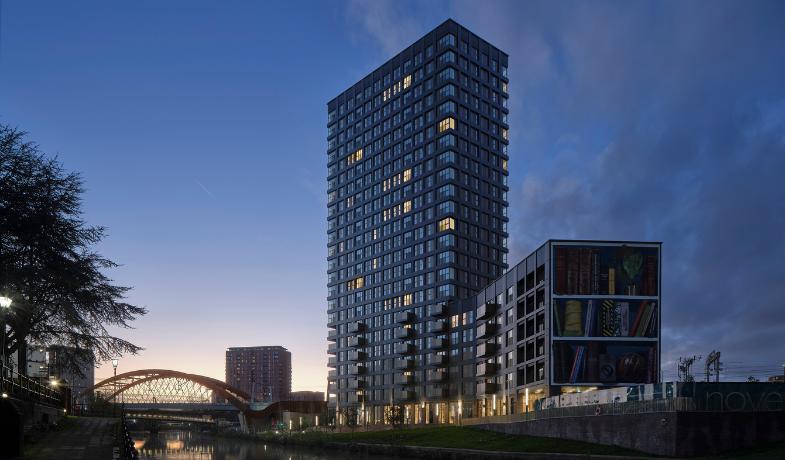
The third and final phase of the Slate Yard Build to Rent scheme at New Bailey Salford has reached its highest point of development at 21 storeys.
The £30M apartment block is the largest of the three residential buildings and includes 21 storeys and 199 apartments with one, two and three bedrooms. The Slate Yard provides tenants with leisure and retail facilities at ground floor level, car parking spaces and pedestrian & cycle routes to Irwell River Park.
The Hannan residential team are very pleased to be providing Building Services Engineering consultancy for the project alongside other team members AHR Architects, Buro Four, Walker Sime, WSP and main contractor Morgan Sindall.
The design of the building and the services strategy utilises energy efficient features throughout to minimise its carbon and environmental footprint and meet the sustainable standards set out in the Part L Building Regulations.
Passive construction techniques in the design of the building include enhanced insulation to limit heat loss and an engineered façade design to maximise the use of natural daylight & passive solar gains but minimise overheating.
The Incorporation of high efficiency systems and effective controls throughout the design will help to further minimise energy usage. These features include: smart heating controls, heat recovery ventilation systems, energy efficient lighting and energy efficient lifts.
Photovoltaic panels have been incorporated into the building design to meet a proportion of the electrical demand.
The Slate Yard is one of several schemes we are involved with as part of the £650m New Bailey development scheme being delivered by The English Cities Fund, a joint venture between Muse Developments, Legal and General and Homes England.
We are proud to be a part of the team delivering this important regeneration scheme which aims to create a gateway between Manchester and Salford and provide business opportunities for large and small organisations.














Recent Comments